← Back

Thank you for your response. ✨

  • Finding Kawaii: Rediscovering Playfulness in Japan’s Culture of Joy

    There’s a Japanese word you might already know: kawaii (かわいい). It’s an entire joyful cultural phenomena that seemingly celebrates cuteness, for cuteness’ sake. While some translate it to cute or adorable, kawaii is more than just aesthetic. The word carries a rebellious history and emotional weight that requires a more nuanced translation, closer to endearingly fragile or worthy of care.

    The traditional way to write kawaii uses the kanji 可愛い, and the first character, , also appears in words meaning can or possible. Today, embracing kawaii in Japan looks like giving yourself permission to delight, attach a plush toy to your designer bag or squeal at coffee with the foam sculpted to resemble your own pet. However, it’s important to know the cultural roots of Kawaii go deeper than that and reflect what could be described as a feminist movement in post-war Japan.

    Kawaii, with roots in Japanese “girl culture,” is known for a visual aesthetic of simplicity, hyper-cuteness, and childlike innocence. It was originally a space of safety and empowerment for disenfranchised groups in Japan. Student activists in the 1960s and ‘80s female shōjo fans used the playful subculture to rebel against rigid, nationalist hierarchies of aggression…This early version of kawaii was radical—an act of resistance wrapped in sweetness. – Isami McCowan

    Recently, there has been a rise in the language of Inner Child Work, embracing and/or healing one’s inner child. Some recognize this as an anti-capitalist movement. The belief behind this phenomenon is that by reconnecting with the parts that once felt joy, wonder, and curiosity before being impacted by trauma and shaped by external expectations of adulthood you can heal yourself. Inner child work is a real therapeutic practice rooted in Jungian and humanistic psychology being reframed by social media and the TikTok generation.

    Influencers and therapists alike encourage folks to reparent themselves through affirmations, self-care rituals, and playful reconnection with childhood joys. The practice resonates in a world where many adults feel overextended, alienated from joy, or pressured by capitalist expectations of productivity and perfectionism. For many, the idea of playing sounds like a whimsy fantasy and maybe even embarrassing or infantile. Where does one even start?

    One way I have played and kept my world open is through frequent travel. My first adult travel experience that allowed me to drop into my lost wonder was on a solo trip to Stockholm at the age of 24. I had been working as a Kindergarten teacher in the South Bronx and it was an incredibly stressful and high-stakes job. I didn’t have the right experience or resources (more about that some other time) and children’s literacy was at stake.

    One afternoon, I took the ferry to Gröna Lund and I rode almost every ride. This was not something I would imagine doing at home. I am afraid of heights, but the cotton candy sky of somewhere completely new let me escape what I would usually do and do something just because instead. I cried tears of pure elation watching the lights of the iconic Eclipse, Giant Wave Swinger as I ferried back to my hostel. I was cracked wide open by the realization that I was allowed to do what made me happy and follow my curiosity even though I was made nervous about traveling alone. I didn’t have the words for it, but I now recognize this unbridled happiness as a result of leaning away from inherited fear and into adventure, this very tender feeling surfacing was Kawaii, something to be protected and tended to.

    Kawaii is what we in the West might consider childlike or even weak, but it isn’t. In Japan it is seen as pleasing expressions of vulnerability, softness, and emotionally honesty. When we remove the association of tender emotion with being a child, reconnecting with innocence and our own vulnerability as adults can be a profound gift to ourselves and an act of self-acceptance. This can be especially true if these emotions were devalued by your primary caretakers.

    I saw this beautifully modeled in Japan’s kawaii culture. For many Japanese adults, kawaii is a lifelong self-embrace. This continuity reflects a cultural comfort with playfulness as self-expression, not regression. It blurs the boundary between childhood and adulthood, encouraging a recognition that innocence and joy need not be abandoned with age.

    At the end of the day I love a Michelin-starred Omakase as much as the next gal, but… what are you even doing if you’re not having fun and getting a little silly on vacation. There’s plenty of serious stuff waiting for you when you get back home! I can confidently say that travel has helped heal parts of my inner child, the parts that desperately yearned for the adventure of a family outing and quality time spent together.

    What’s more meaningful is challenging the expectations I have for myself and others have for me as I age into mid-life and consider what I want or deserve. It’s taken a lot of work to believe I am someone worth being protected and tended to. It took even more work to realize the person built for that job was me. Thinking and acting that way is a meaningful form of rebellion against what I have been told and takes work every damn day, but less so when I’m on vacation.

    Here’s a handful of ways to embrace kawaii and play in Japan:

    Visit the teamLab’s exhibitions

    We visited Tokyo’s teamLab Planets and became one with the art. It’s like walking inside someone’s beautiful, technicolor acid trip barefoot. You’ll find yourself laughing, splashing, and forgetting to look composed. The museum doesn’t ask for reverence; it asks for wonder from adults and children alike.
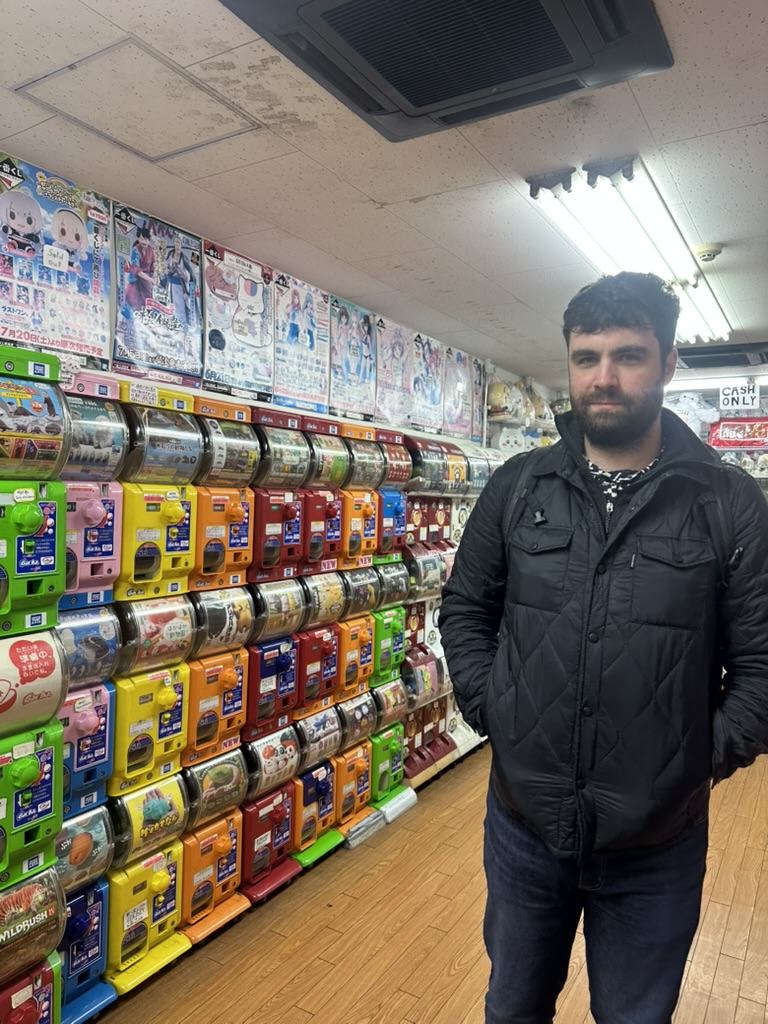
    Spin the Gachapon Wheel

    On the surface, gachapon machines are simple. You insert coins, twist the knob, and out pops a capsule with something tiny and absurd like a sushi cat or miniature cup of ramen. It’s not just about the trinket. It’s the anticipation and a pointless ritual based in total randomness that makes gachapon fun. These machines reminded me how exciting a little surprise can feel. You’ll find these in most cities outside shops, but we spotted large gachapon arcades in Tokyo and Nara!

    Lose (and Win) in an Arcade

    Japan’s arcades are electric temples of nostalgia. There are countless arcade games, claw machines stocked with plushies and classics like Dance Dance Revolution. Step inside and you’ll understand, joy here has no age limit. Here you can see me win a Snoopy dressed up as a piece of toast.

    Step Into a Purikura Photobooth

    If you want to meet your inner child face-to-face, do it in a purikura photobooth. These are not your average mall kiosks. The machine enlarges your eyes, smooths your skin, adds cartoon sparkles, and offers endless stickers and poses. You’ll laugh until your stomach hurts, then leave with glossy printouts for the fridge.

    Rep Your Favorite Japanese Character

    One of the easiest ways to tap into kawaii culture in Japan is to pick your mascot and wear it like a badge of honor. With all due respect to my history with Hello Kitty, mine is Gudetama, a lazy, melancholic egg yolk. While they’re technically a yolk, spiritually they are all of us. They’re always tired, swinging from being unbothered to woefully sensitive and sometimes draped in bacon as their blanket (something we mere mortals can only aspire to).
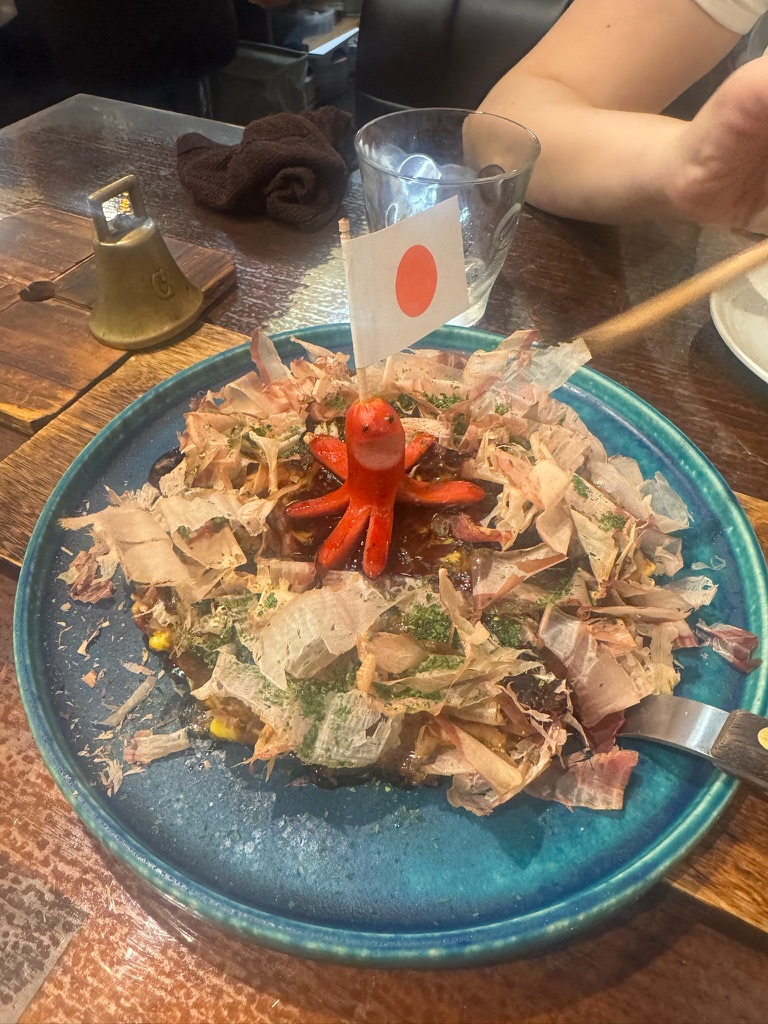
    Dinner With a Sense of Humor at Tepan Tavern Tenamonya, Kyoto

    Tepan Tavern in Kyoto feels like the elevated version of playing with your food. This teppanyaki joint is run by the friendliest husband-and-wife duo, Hideki-san and Naoko-san. The experience is equal parts theater and hospitality. The magic of Tepan Tavern is how playful presentation meets seriously good food (A5 beef being one of the house specialties), while observing how the owners take pride in every last detail. It’s the kind of experience that makes your heart swell and want to lick your plate clean giving us proof that joy and good food belong at the same table. It’s a small operation, so be sure to MAKE A RESERVATION! I won’t ruin their bits for you!

    Please comment with your favorite kawaii experiences, and like I said, everything serious will be waiting for you back at home…
  • Explore: A morning in Setagaya City followed by the perfect espresso and vintage shopping in Shimokitazawa

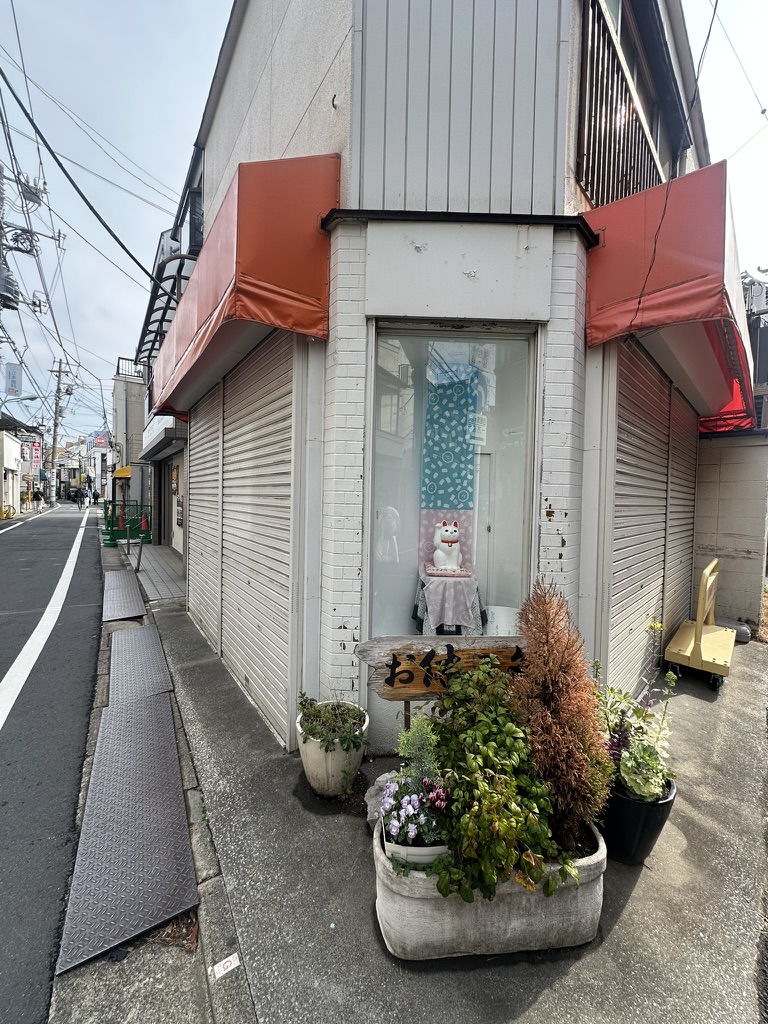
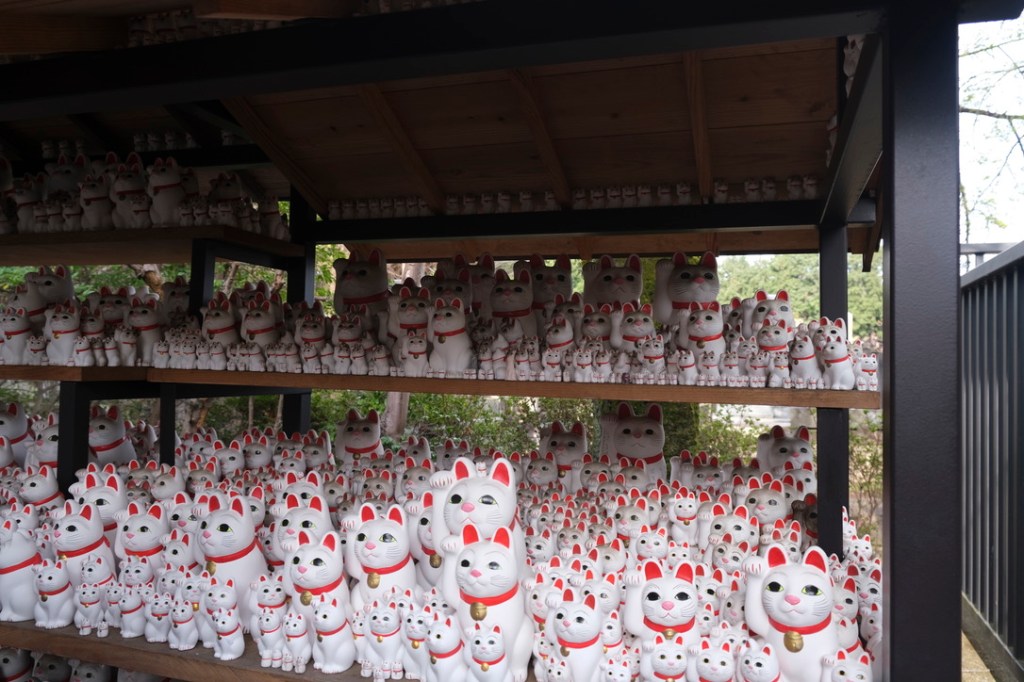
    On our first full morning in Tokyo, we set out for Gotokuji Temple, the legendary birthplace of the beckoning cat. We arrived as the temple grounds opened, which made for a less-crowded and peaceful experience amongst the cherry blossoms and rows upon rows of white ceramic cats raising their tiny paws to greet us. We left a cat of our own for good luck, a small wish for a long and happy marriage tucked into the sea of thousands.

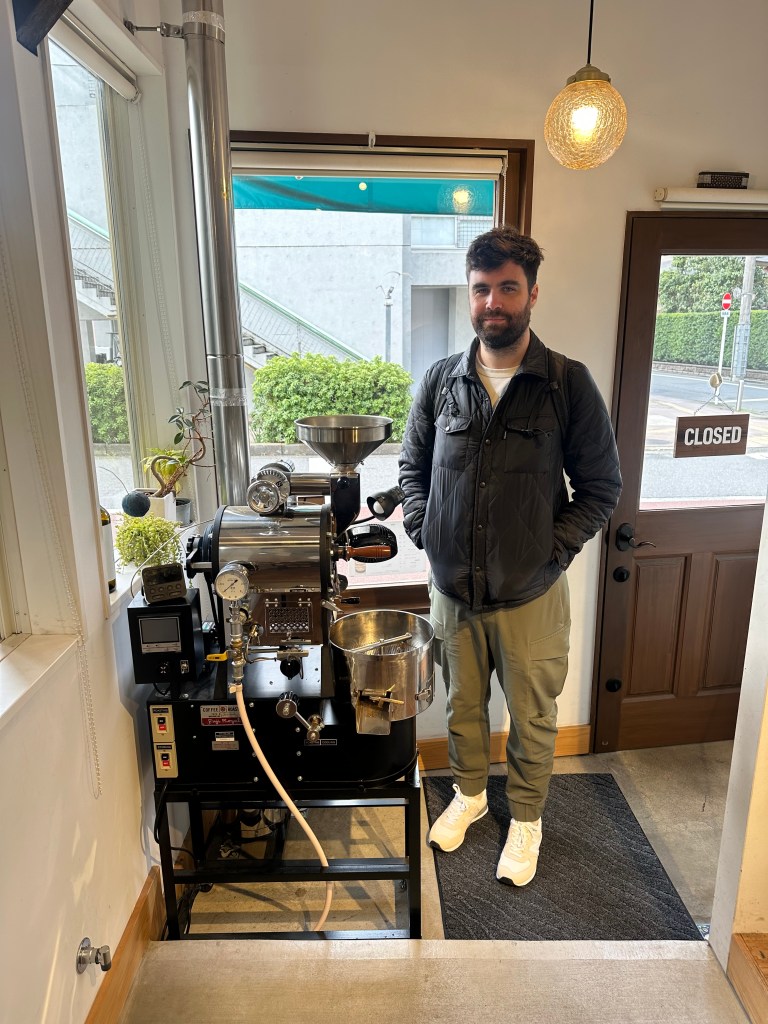
    Afterwards, we enjoyed wandering the residential neighborhood around Gotokuji, Setagaya. This reminded me of our Brooklyn neighborhood, residential with the charms of city life. We caught sight of the cat train as we ducked into ENgrave Coffee Roasters (a tiny cafe/small batch roaster) for coffee before hopping on the train to nearby Shimokitazawa.

    Before picking through racks of vintage, I had to make my first stop at Don Quijote (often called “Donki”), a chaotic, brightly lit discount megastore in Japan. The moment we stepped into Don Quijote, we were overwhelmed in the best way. There were flashing signs, blaring jingles, and shelves stacked with everything from beauty products to quirky souvenirs. We couldn’t resist grabbing a few treats, including sake-flavored Kit Kats.

    jiggly seasonal strawberry pancakes at Flipper’s

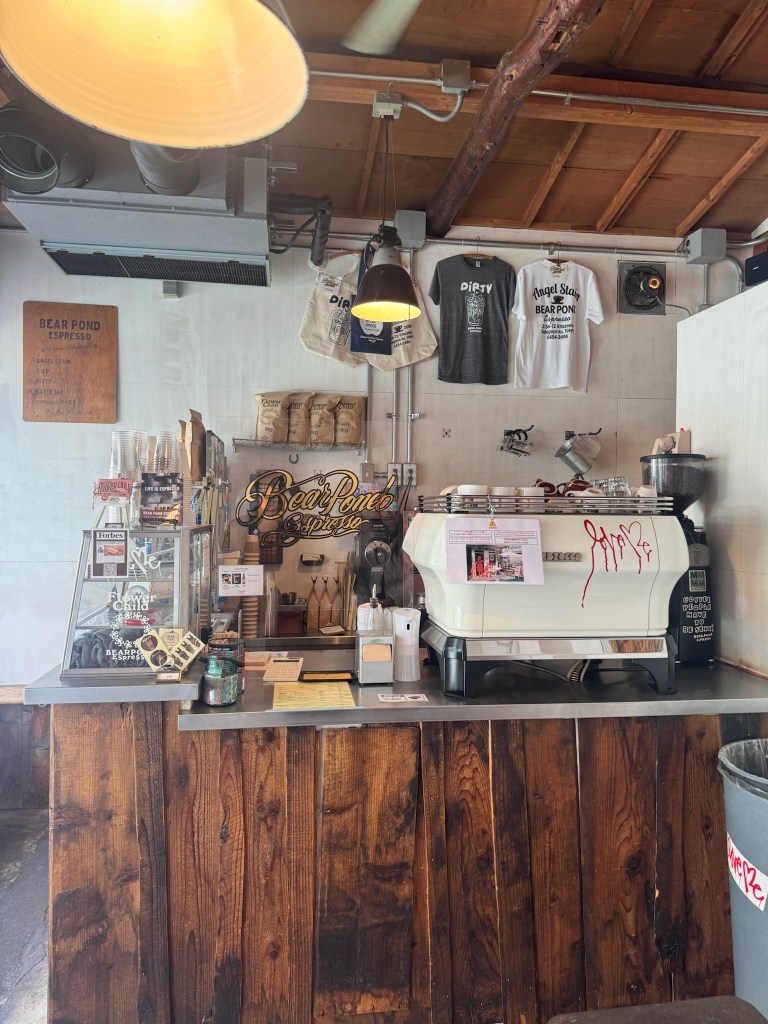
    From there, we made our way to Bear Pond Coffee, a tiny but famous café tucked between vintage shops. In my opinion, this is a must visit. The espresso was perfect. Next we stopped at Flipper’s for their pillowy Japanese pancakes. It was a marvel to watch them be made. They are light, airy, and jiggly! There was a line queuing up before it opened, so keep that in mind.

    Unfortunately, this was when my body finally gave in. I came down with what was most likely norovirus from the flight, and suddenly our playful day turned into a survival exercise. Thank goodness for train station toilets (with music) Pokari Sweat (Japan’s beloved electrolyte drink) and onigiri rice balls, which became my lifeline. I got back to The Mitsui Garden Hotel just in time to spend my night with my head in the toilet.

    I had done some research on shopping and hope to put it to good use our next visit. Here’s some of what I found:

    1. Harajuku Chicago Shimokitazawa

    https://d28dpoj42hxr8c.cloudfront.net/files/user/201604261544_1.jpg?v=1461653079
    • What it is: A large vintage clothing store with a “strong American-streetwear/retro vibe”.
    • Address: 5-32-5 Daizawa, Setagaya City, Tokyo 155-0032, Japan.
    • Why go: If you’re into finding Levi’s, military jackets, bold graphic tees, or pieces with character
    • Tip: Check sizing (Japanese/US sizes may differ) and dig through the racks for hidden gems.

    2. NEW YORK JOE EXCHANGE Shimokitazawa

    https://s3-ap-northeast-1.amazonaws.com/thegate/2021/02/01/19/08/03/FLORIDA-interior.jpg
    • What it is: A distinctive second-hand/vintage shop housed in a former public bathhouse
    • Address: 3-26-4 Kitazawa, Setagaya City, Tokyo 155-0031, Japan.
    • Why go: Broad selection making it good for browsing and scavenger-style finds.
    • Tip: This is a place to spend your time picking through for a gem.

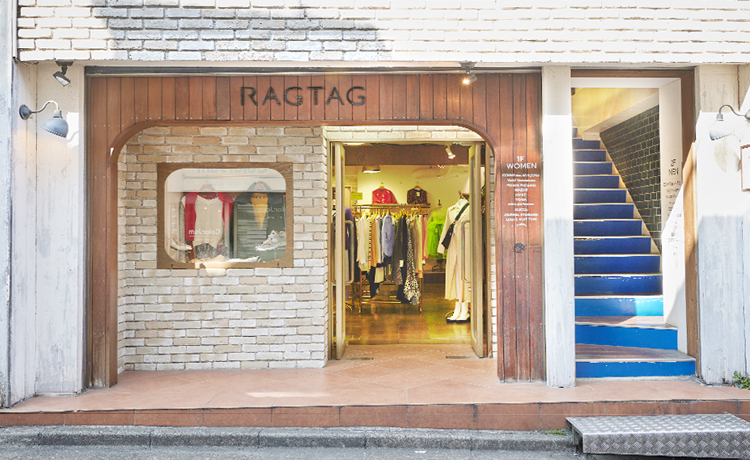
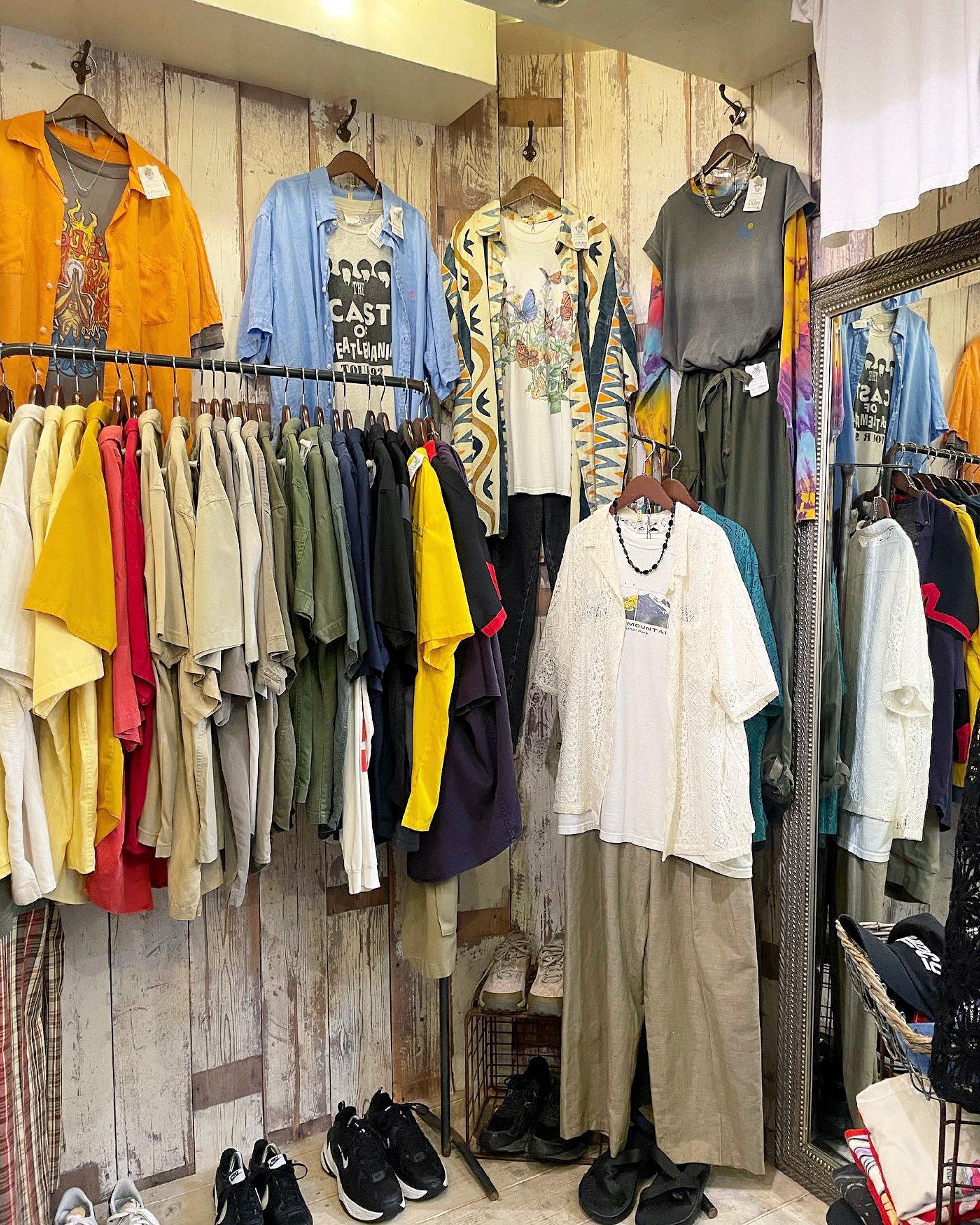
    3. RAGTAG Shimokitazawa

    https://www.ragtag.jp/res/p/shop/img/0000000006/slide1_sp.jpg
    https://cdn.i-scmp.com/sites/default/files/d8/images/canvas/2023/06/14/a1d3ca87-b9cb-4ba2-b26b-77666b21e767_316c7935.jpg

    • What it is: A higher-end resale store specialising in designer and premium second-hand brands.
    • Address: 2-34-12 Kitazawa, Setagaya-ku, Tokyo.
    • Why go: If you’re hunting for designer pieces in a more curated setting.
    • Tip: Ask about tax-free options (for non-residents) and check condition carefully.

    4. Stick Out Shimokitazawa

    https://cdn.cheapoguides.com/wp-content/uploads/sites/2/2016/10/stick-out.jpg
    • What it is: A more budget-friendly vintage/thrift outfitter; one article notes everything in-store was priced at ¥800 in one outlet.
    • Why go: Great for bargain vintage finds if you’re flexible on brand and size.
    • Tip: Low prices mean you may need to compromise on condition, so inspect items for wear.

    5. Shimokita Garage Department

    https://s3-ap-northeast-1.amazonaws.com/thegate/2019/08/26/16/36/33/Shimokitazawa-garage-department-interior.JPG
    • What it is: A collective space of around 20+ small vendors selling used clothing, jewellery, handmade goods and more.
    • Why go: Good alternative if you want variety in one spot, because there is a mix of vintage clothing, accessories, small craft/design items.
    • Tip: Bring cash and be prepared to browse multiple micro-shops within the building.

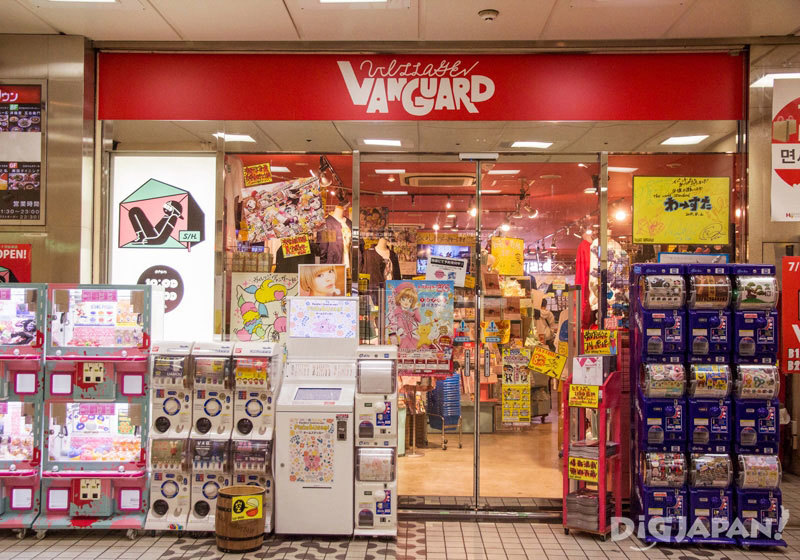
    6. Village Vanguard Shimokitazawa

    https://d28dpoj42hxr8c.cloudfront.net/files/user/201803171955_1.jpg?v=1521284106
    • What it is: Perfect for souvenirs A quirky “variety store” with lots of odd/surprising stuff: toys, books, snacks, gift items, stationery.
    • Address: 2 Chome-10-15 Kitazawa, Setagaya City, Tokyo 155-0031, Japan.
    • Why go: Great spot to pick up fun, off-beat souvenirs rather than the usual tourist items.
    • Tip: Spend some time and you may find something more interesting to bring home.

    7. Antique Life Jin

    https://dynamic-media-cdn.tripadvisor.com/media/photo-o/09/ca/e1/0c/getlstd-property-photo.jpg?h=500&s=1&w=800
    • What it is: A specialty store offering antiques, retro home-goods, quirky accessories.
    • Address: 2 Chome-30-8 Kitazawa, Setagaya City, Tokyo 155-0031, Japan
    • Why go: Ideal for something unique to bring back, not just a souvenir
    • Tip: Larger or fragile items may need extra care for travel/shipping.

  • Japan: Where To Begin
    1. Where To Begin: Planning
    2. My High-Level of My Trip Itinerary
    3. Tokyo Airport Snacks and Transportation
    4. ✈️ Japan’s Luggage Shipping: Reliable, Effortless, and Surprisingly Affordable
    5. 🚄 Train Travel in Japan — Effortless, Efficient, and Beautifully Organized

    Where To Begin: Planning

    Planning a trip to Japan can be totally overwhelming. I’m here to tell you there’s no one right way to plan a trip. The best case scenario is that everyone’s itinerary will look a little different. Japan is one of those places where when I dove into the research and reminded myself to zoom out and turned my attention to what excited me instead of the anxiety of not missing any “must do” or “top 10 things..” Japan is one of those countries where you simply can’t do it all (there’s a 90 day visitor limit after all…).

    In my opinion trying to do it all will detract from your experience of the place. One of my favorite things about Japan is how deliberate everything seems. Once I channeled my excitement into creating a personalized itinerary filled with things I thought my husband and I would love I was in business. It goes without saying this is not a highlights tour itinerary, this is a collection of places and experiences that my husband and I found worth it for us.

    If you’re drawn to the classic “first-timer” itineraries — Tokyo, Kyoto, Osaka, Hiroshima…go for it. They exist for a reason. But if you find yourself curious about lesser-known towns, a slower travel rhythm, or detours that feel a bit more unique, lean into that. You’ll be amazed at where that curiosity will take you. Some of my favorite experiences in Japan happened because I ignored the standard itinerary and followed what felt right. 

    I still prioritized must-sees that felt like must-sees for me, you’ll hear about our detour to Himeji Castle later on. I also made space for what felt relaxing and restful. It had always been a dream of mine to visit during cherry blossom season, so that shaped a lot of my choices. I wanted to balance beauty with calm, and I knew I needed time to slow down and soak it all in.

    That meant not spending less than two nights in any city. It meant a little of time on trains which, honestly, became part of the adventure. I was nervous about that, but was pleasantly surprised by the experienced ease of Japan’s transportation system living up to its reputation. I was nervous about it at first, but found it surprisingly intuitive. The result? My first trip was intentional, inspiring, and specific to us! And a great start on my next Japan itinerary…

    My High-Level of My Trip Itinerary

    Over two unforgettable weeks, my husband and I set out traveling Japan chasing delicious meals and cherry blossoms from city to coast. 

    First Stop, Tokyo. We split our stay in Tokyo into two bookends around our flight. We began with 4 nights in Tokyo, diving into the city’s electric energy. I liked the idea of splitting up our exploration of this huge city in bursts. 

    Then, we headed south on the Shinkansen (bullet train) through Kyoto to Nara. We spent two nights in Nara where deer roamed freely beneath the petals. Nara was sleepier, even during peak season, but Tōdai-ji and some unexpected bites makes it worth the trip. We kept ourselves busy with sightseeing and a day hike to one of Japan’s most celebrated cherry blossom sites. 

    Next came a dose of art and architecture on the island of Naoshima, a tranquil escape filled with contemporary museums and quiet coastal walks. On our way to Kyoto, we made a stop in Himeji to explore its magnificent white castle — perfectly framed by rows of flowering cherry trees and picnicking revelers. 

    In Kyoto, we wandered through traditional streets, visited centuries-old temples, and watched petals float along the Philosopher’s Path. By then we were ready for a break and continued to Kinosaki Onsen, soaking in the town’s seven hot springs and savoring slow, restorative moments at a traditional Japanese-style inn with over 165 years of history.

    Our journey came full circle back in Tokyo, where we spent our final day making up for lost time and reflecting on two weeks of springtime magic, a true hanami adventure across Japan.

    Tokyo Airport Snacks and Transportation

    Our direct flight from Newark to Airport with United was just as long as expected, but when I landed in Tokyo I caught a second wind. First things first, grabbing some snackies at the airport train stations’ 7Eleven. Time to try the infamous egg sandwich everyone has been going on about and onigiri to test my very American scepticism about buying any perishable food from a convenience store. Much to my surprise, it had not been overhyped and I learned very quickly I had some work to do on my onigiri unwrapping.

    Instead of buying a physical PASMO or Suica card at the station, we set it up digitally on our iPhone Wallet. It couldn’t have been easier:

    How to Get a PASMO on iPhone

    1. Open Apple Wallet on your iPhone.
    2. Tap the “+” sign to add a new card.
    3. Select “Travel Card” and then choose PASMO. (You’ll also see Suica — either works the same way for trains, buses, and even some vending machines.)
    4. Add money with your Apple Pay credit or debit card. You can start small, like ¥2,000 and top it up anytime.
    5. Once it’s set up, just hold your phone near the train gate reader — no need to unlock the phone or open the app.

    We were able to use the same PASMO card not only for airport trains but also for the subway, JR lines, and even at some convenience stores for snacks and drinks. It made getting around Tokyo absolutely seamless — no fumbling for tickets or worrying about exact change.

    From Haneda Airport (HND) → Central Tokyo (Ginza)

    • Tokyo Monorail + JR Yamanote Line: ~¥660–¥700 (~$4–5 USD). Total time ~30–35 minutes.
    • Keikyu Line: ~¥500 (~$3.50 USD). Also about 30–40 minutes, usually with one transfer to Ginza.

    Airport Limousine Bus (alternative to train): ~¥950–¥1,200 (~$6–8 USD) direct to Ginza hotels, but traffic can be unpredictable so choose a reliable service with a flat rate here.

    ✈️ Japan’s Luggage Shipping: Reliable, Effortless, and Surprisingly Affordable

    Japan’s luggage shipping system (“takkyubin”) is one of the most convenient and reliable travel services in the world. Whether you’re hopping between cities or heading straight to the airport, you can hand off your bags at your hotel, a convenience store, or a dedicated counter and they’ll arrive at your next destination the next day (or even the same day) like clockwork. I shipped my larger bag from Tokyo to Kyoto to Tokyo so I could travel lightly in between. When I arrived, they were waiting for me in my room. I did this at my hotel front desk.

    The service is remarkably reliable, with near-perfect delivery rates, detailed tracking, and courteous support. Companies like Yamato (the Black Cat) and Sagawa Express run the network with the same precision Japan is famous for—clean, punctual, and seamless. It’s also surprisingly cheap: shipping a full-size suitcase usually costs around ¥2,000–¥3,000 ($12–$20 USD).

    🚄 Train Travel in Japan — Effortless, Efficient, and Beautifully Organized

    Train travel in Japan is unbelievably easy, clean, punctual, and intuitive even for first-time visitors. Signs are clear, staff are helpful, and everything runs exactly when it says it will. Whether it’s a local commuter line or the famous Shinkansen bullet train, the experience feels like the gold standard of public transportation.

    1. Start With the JR Pass Decision

    Decide early if the Japan Rail Pass (or regional JR passes) makes sense for your route.

    • If you’re covering long distances (Tokyo → Kyoto → Osaka → Hiroshima), it often pays for itself in 2–3 rides.
    • If you’re staying mainly within one region (e.g., Kansai or Kanto), regional passes or individual tickets are usually better value.

    💡 Pro tip: You can now buy JR Passes inside Japan, but they’re cheaper if purchased before arrival.

    2. Buy tickets ahead, but not too far ahead

    One tip I can’t recommend enough: book your train out of each city the moment you arrive. It sounds small, but it completely changes the rhythm of your trip. By locking in your next route early, you skip the stress of last-minute ticket buying and potential crowds at peak hours. This also ensures you can choose your seat on the Fuji side (transportation employees usually do this for you if they know you are a tourist, which is sweet) for iconic, postcard-perfect views of Mount Fuji between Tokyo and Kyoto.

    The whole process takes minutes: you can reserve tickets at any JR counter, station kiosk, or even online, and you’ll have your seat guaranteed and itinerary set before your next journey begins. It’s one of those subtle travel hacks that makes moving through Japan feel as seamless as the country itself.

    3. Mind the Manners

    Japan runs on quiet respect:

    Return trays, separate trash, and bow back when thanked.
    These small gestures mean a lot.

    Keep voices low on trains.

    Handle cash and cards with two hands.

    4. Silly and Delightful: Shinkansen Coffee

    Enjoy your travels and take in all of the wonderful Japanese snacks and beverages inside train stations. One of my big “Japan is soooo cool!” moments was when a vending machine made me this very pleasant coffee. I felt a tinge of sadness that this is an impossibility in New York transit.